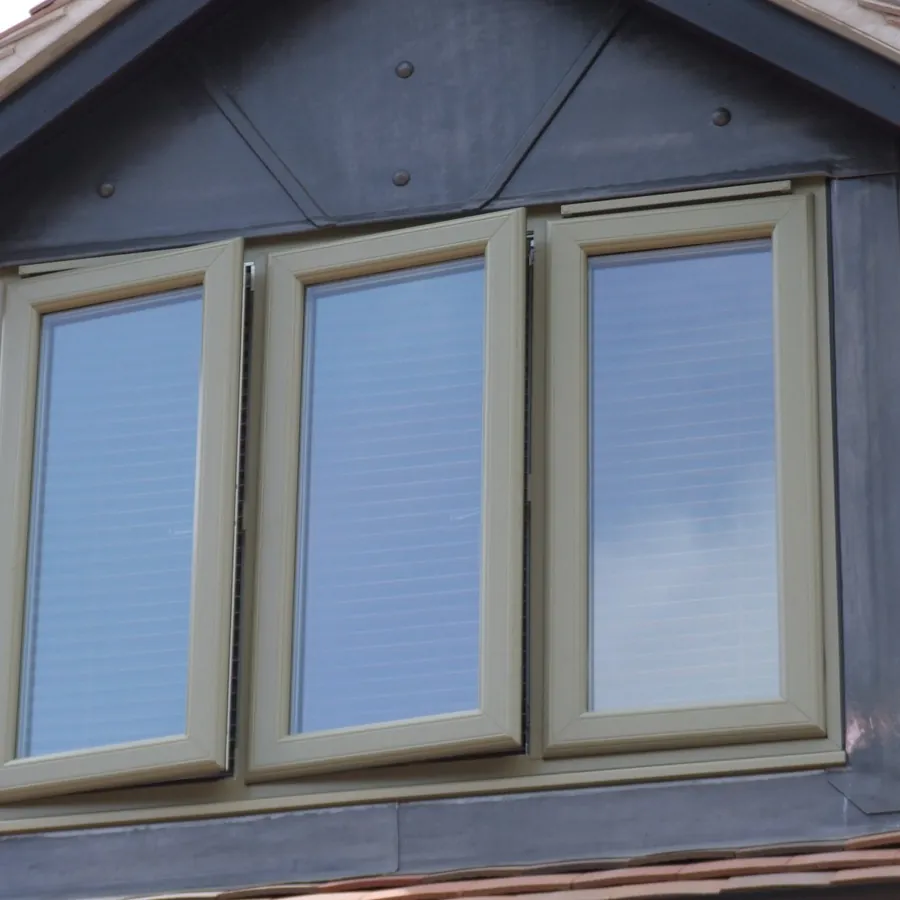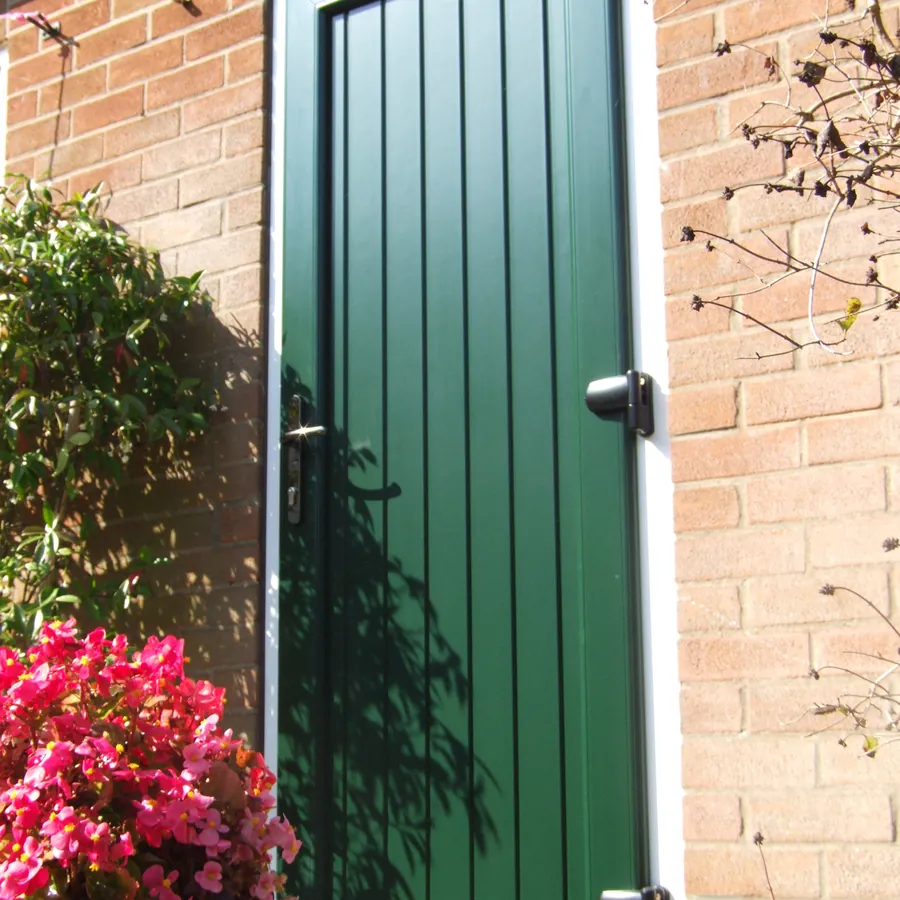
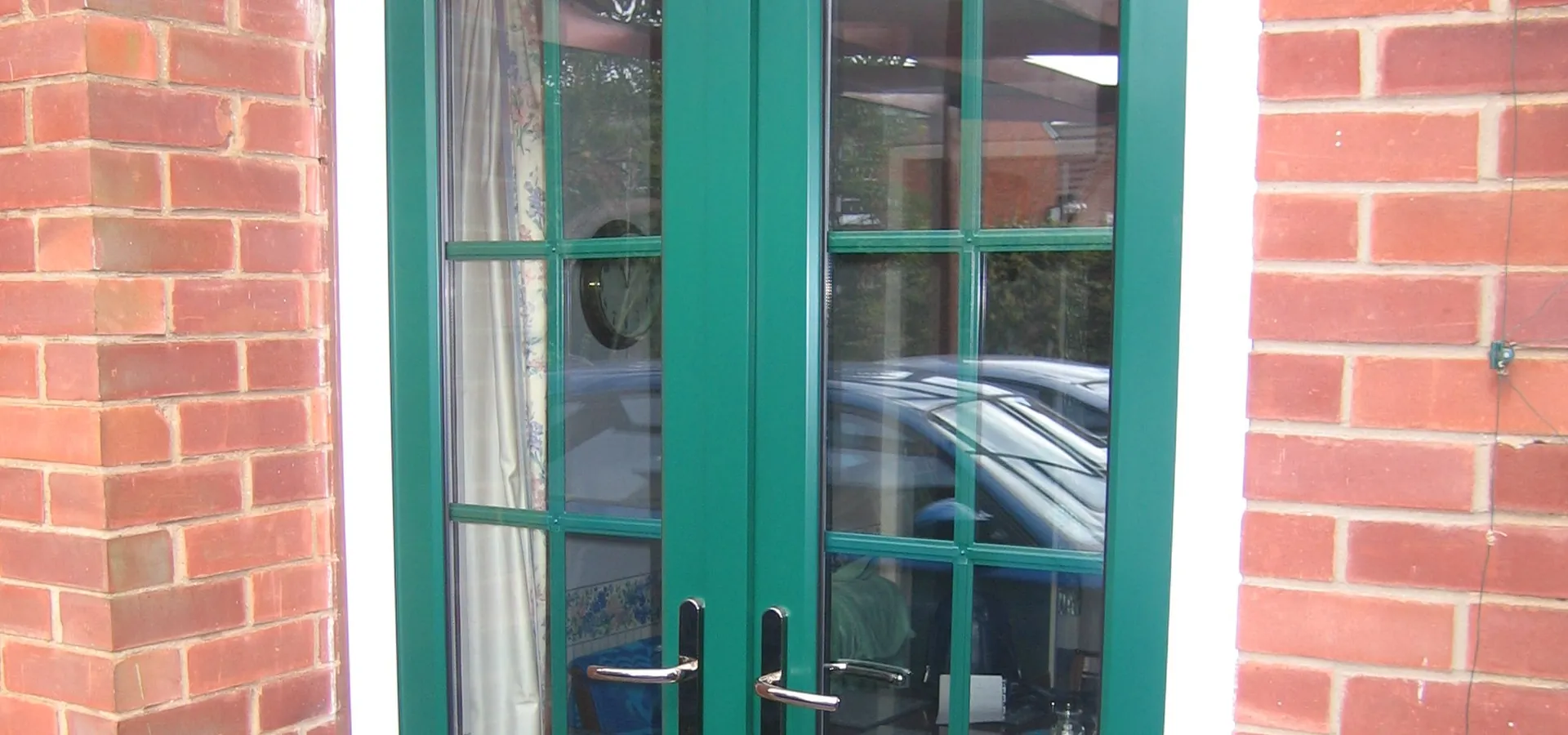
Draughty windows can turn your home into an uncomfortable space, leaving you shivering and facing soaring heating bills.
Our double glazing service, fitted by FENSA-registered installers, addresses this issue with high-quality uPVC and aluminium windows tailored for your needs.
We offer a free home survey to assess your requirements and a 10-year guarantee on all installations to ensure your peace of mind.
uPVC typically provides excellent value with lower upfront costs and strong thermal performance, while aluminium offers a sleek finish and greater frame rigidity for modern aesthetics.
Both options can enhance energy efficiency and security, making them ideal for homes in Bayswater.
Explore your choices to find the perfect fit for your property.
Takeaways
Key Takeaways
- Lower installation costs make uPVC windows an ideal choice for budget-conscious homeowners in Bayswater.
- Aluminium windows provide increased strength and durability, ensuring a long-lasting investment for modern properties.
- Enhanced thermal insulation in uPVC windows can significantly reduce heating bills and improve energy efficiency.
- Both materials offer excellent security features, giving homeowners peace of mind against potential intruders.
- Installation times are typically quick for both uPVC and aluminium, minimising disruption to your home.
- Consider available finance options or grants to make your window upgrade more affordable.
Bayswater Homeowners’ Quick Verdict
For many homeowners in Bayswater, the choice between uPVC and aluminium for double glazing is clear. uPVC offers solid value with excellent thermal efficiency, low maintenance, and A-rated glass options. It’s often the go-to for most replacement projects, thanks to its straightforward upkeep and affordability.
On the other hand, aluminium provides advantages in design****. It features slim sightlines, rigidity, and a premium finish, making it ideal for those who prefer narrow frames and larger glazed areas.
Local trends can influence your decision. For period terraces, uPVC’s discreet profile fits the bill, while modern developments often lean towards aluminium for a contemporary aesthetic.
Ultimately, your choice will depend on budget, desired appearance, and performance needs. With features like 28mm sealed units, argon-filled chambers, low-E coatings, and multi-point locking systems, both materials deliver on quality. Make sure you get a FENSA certificate upon completion for peace of mind.
What Is uPVC Windows?
uPVC Windows
uPVC windows are made from unplasticised polyvinyl chloride, offering a tough, low-maintenance alternative to timber and aluminium. These factory-made frames feature welded corners, multi-chamber profiles, and 28mm sealed units filled with argon gas, which enhance thermal efficiency and insulation.
Key benefits of uPVC windows include:
- Low upkeep requirements
- Excellent A-rated insulation
- Corrosion resistance
- Competitive pricing, helping to lower maintenance costs and heat loss
In Bayswater, they fit well in many homes, providing a practical solution for standard openings. However, be aware of their drawbacks: sightlines can be bulkier, colour options are limited compared to premium metals, and larger spans may not provide the same rigidity as alternatives.
For standard installations, uPVC is a cost-effective choice. If you require slimmer profiles or higher structural capacity, consider your options carefully. All installations come with a FENSA certificate number upon completion, ensuring compliance with building regulations.
What Is Aluminium Windows?
Aluminium Windows
Aluminium windows feature thermally broken metal frames that are both slim and strong, offering high structural rigidity along with durable powder-coated finishes. You’ll typically find options like casement, tilt-and-turn, and sliding systems designed for various openings and ventilation needs.
Key benefits of aluminium include:
- Narrow Sightlines: Aluminium allows for larger panes with less visual bulk compared to uPVC.
- Dimensional Stability: It resists distortion from temperature changes, maintaining its shape over time.
- Low Maintenance: A simple wipe down keeps them looking good, with no need for repainting.
All our aluminium windows come with A-rated glass, 28mm sealed units, argon filling, and low-E coatings for improved energy efficiency. Security is a priority too, with multi-point locking systems and internally beaded frames. We also use Q-LON gaskets for better draught-proofing.
For a modern look that stands the test of time, aluminium windows are a practical choice for any property in your area. Upon completion, you’ll receive a FENSA certificate number for peace of mind.
Cost Comparison: uPVC Windows vs Aluminium Windows
uPVC windows are typically the more affordable option at the outset, while aluminium windows come with a higher price tag due to their stronger profiles and thermal break technology. Installation costs tend to be lower for uPVC, as it’s lighter and easier to handle on-site. Aluminium can incur extra charges from specialist fabrication and fitting.
Key Points:
- uPVC: Lower purchase price.
- Aluminium: Higher initial cost, but offers long-term durability.
Consider the long-term savings when weighing your options. Aluminium windows may justify their premium with greater longevity and reduced replacement frequency. However, if your priority is minimising upfront costs, uPVC still delivers excellent value.
Both materials can be specified with A-rated glass, a 28mm sealed unit, argon filling, and low-E coatings. Ensure your installation includes features like multi-point locking, internally beaded frames, and high-quality Q-LON gaskets. All installations come with a FENSA certificate number to guarantee compliance.
If you're in need of double glazing in your area, we’re here to help you make an informed choice.
Energy Efficiency
Energy efficiency in double glazing hinges on frame design and glazing specification. uPVC typically offers superior thermal performance due to its lower conductivity compared to aluminium. If you're after better thermal insulation, uPVC provides lower U-values, especially with A-rated double or triple glazing and insulated cavity profiles.
Aluminium can perform well too, but it needs a high-quality thermal break and advanced glazing options to compete with uPVC’s efficiency. With uPVC, you can expect more consistent indoor temperatures and reduced heat loss, which means potential energy savings over time.
Aluminium’s slimmer sightlines are appealing, but its higher conductivity means the system needs to work harder to manage thermal transfer. For the best results, compare the entire window specification—don’t just focus on the frame material.
We provide energy-efficient double glazing solutions tailored to your needs, ensuring you get the best possible performance in your home. Each installation comes with a FENSA certificate number for your peace of mind.
Durability & Lifespan
Durability & Lifespan
Both uPVC and aluminium are designed for longevity, but they come with different durability characteristics.
- uPVC:
- Corrosion-resistant
- Won’t rot
- Requires minimal upkeep
- A-rated glass options available
- Aluminium:
- Superior structural rigidity
- Strong weather resistance
- Minimal distortion over time
- Can include features like low-E coatings for energy efficiency
Both materials can offer a long lifespan when installed correctly, but their maintenance needs vary. If you prioritise longevity, aluminium generally provides a longer service life due to its higher impact resistance and strength. However, if you prefer reliable performance with lower maintenance, uPVC is a solid choice.
In a Bayswater property, weather resistance is crucial, and both materials excel in this area. The choice ultimately comes down to your specific needs.
With options like 28mm sealed units and multi-point locking systems, you can be assured of quality, regardless of your selection. Each installation will also come with a FENSA certificate for peace of mind.
Aesthetics & Style Options
Aesthetics are essential in choosing between uPVC and aluminium windows. Each material offers a unique look suited to different styles.
uPVC windows come in a variety of finishes, including woodgrain effects and solid colours. This versatility makes them suitable for both traditional and contemporary homes. You’ll benefit from:
- Extensive colour options
- Strong customization potential
On the other hand, aluminium windows provide slimmer sightlines and a more modern appearance. Their powder-coated finishes can complement modern designs while also fitting with traditional aesthetics when specified correctly.
| Material | Finish Options | Best Fit |
|---|---|---|
| uPVC | Foils, grain, solid colours | Traditional looks |
| uPVC | Multiple colour choices | Broad architectural compatibility |
| Aluminium | Powder-coated finishes | Modern styles |
Whichever you choose, we ensure all installations meet high standards, such as A-rated glass and 28mm sealed units with argon filling and low-E coating. Our multi-point locking systems offer enhanced security, and all installations are FENSA-certified for peace of mind.
Security
Security is crucial when choosing between uPVC and aluminium windows. Both materials can be fitted with strong locking systems, but performance relies on frame strength, glazing, and locking hardware. Aluminium generally offers better rigidity, making it more resistant to forced entry, especially in larger openings. However, uPVC can also provide excellent security if reinforced properly.
- Frame strength: Aluminium resists flexing, keeping locks engaged under stress.
- Window locking: Multi-point locks and anti-tamper mechanisms enhance security in both systems.
- Security ratings: Look for PAS 24 or similar certifications; tested assemblies provide more assurance than the material alone.
The best option for you will match your specific security needs—consider your risk profile rather than just the frame type. With a FENSA certificate and features like A-rated glass and 28mm sealed units, we ensure your windows meet high security standards.
Maintenance Requirements
Maintenance Requirements for uPVC and Aluminium Frames
uPVC frames are generally lower maintenance than aluminium. They don’t require repainting and can be kept clean with just mild soap and water. A simple clean involves:
- Using a soft cloth
- Applying a non-abrasive detergent
- Rinsing to prevent residue build-up
Aluminium frames are easy to clean too, but you need to handle the powder-coated finish with care to avoid scratches. Regular checks on seals and drainage channels are essential to prevent issues down the line.
Both materials benefit from lubricating hinges and locks to ensure smooth operation. If damage occurs, repair costs vary. For uPVC, deep warping may necessitate profile replacement. Aluminium often allows for component-level repairs, but specialist labour can be more expensive.
Which Is Right for Your Bayswater Home?
Choosing Between uPVC and Aluminium for Your Bayswater Home
Deciding on uPVC or aluminium windows hinges on your priorities: budget, thermal efficiency, durability, or frame profile.
- uPVC is often the more economical choice. It provides excellent insulation, typically achieving an A-rating with 28mm sealed units and argon-filled glazing. Installation is generally quicker and simpler, which can save on labour costs.
- Aluminium offers slimmer sightlines and increased structural rigidity. Modern thermal breaks enhance its performance in colder months, making it a solid option if aesthetics and strength are your main focus.
Both materials withstand Bayswater’s wet climate effectively. Your ultimate decision should reflect your home's style, energy efficiency goals, and the long-term performance you expect. Remember to check that any installation comes with a FENSA certificate for peace of mind.
FAQs: uPVC Windows vs Aluminium Windows
Got questions about uPVC versus aluminium windows? Here’s a straightforward comparison based on years of fitting experience.
uPVC windows are often your go-to for a lower upfront cost and superior insulation. They typically come with A-rated glass, featuring a 28mm sealed unit filled with argon gas and a low-E coating, which helps keep warmth in. Their multi-point locking systems and internally beaded frames add to their security and energy efficiency.
On the other hand, aluminium windows excel in larger frames and slimmer profiles. They’re stronger and can handle bigger panes without compromising on rigidity. For those looking for a more premium aesthetic, aluminium often fits the bill, especially in more modern designs.
| Factor | uPVC vs Aluminium |
|---|---|
| Cost | uPVC is typically cheaper |
| Thermal performance | uPVC usually insulates better |
| Durability | Aluminium is stronger |
| Environmental impact | Aluminium is more recyclable |
Installation is similar for both, but aluminium requires tighter tolerances and may need specialist finishing. In Bayswater, factors like exposure, planning regulations, and noise levels can sway your decision.
If you prefer minimal upkeep, uPVC is often the simpler choice. However, if long spans and a sleek look are priorities, aluminium may be the better option. Always check for the FENSA certificate number upon completion to ensure compliance with regulations.
Frequently Asked Questions
Do uPVC and Aluminium Windows Reduce Outside Noise Equally Well?
uPVC windows generally provide better noise reduction than aluminium due to their lower density and multi-chamber design, which dampens vibration effectively. Aluminium can perform well, but to achieve similar acoustic results, you'd typically need thermal breaks, wider profiles, and high-spec glazing. Installation and the type of glazing used will significantly influence performance.
Which Window Type Is Better for Listed Bayswater Properties?
Timber or slimline aluminium windows are typically best for listed Bayswater properties, as they align well with the aesthetic and heritage requirements. uPVC tends to be unsuitable due to its bulkiness, which can clash with conservation regulations. For a modern twist, bespoke aluminium with slender sightlines is a good alternative. Always consult your local conservation officer before making a decision.
Can Existing Window Openings Fit Aluminium Replacements Easily?
You can usually fit aluminium replacements into existing openings if the dimensions and structure are suitable. Check that the lintel, sill, and reveal depths are compatible, and be aware that some old masonry might need adjustments. Retrofit installations are generally quicker than full rebuilds, but ensure you consider thermal detailing and the weight of the glazing.
Are Either Window Frames Recyclable at the End of Life?
Yes, both aluminium and uPVC window frames can be recycled. Aluminium is usually the better option as over 75% of it is still in use in Europe, allowing for effective remelting. uPVC can be recycled too, but it's often downcycled, which may affect its quality, and contamination can be an issue. Your local recycling facilities will determine what’s possible.
Which Option Offers Better Long-Term Value in Bayswater’s Climate?
uPVC typically provides better long-term value in Bayswater’s climate due to its energy efficiency and lower maintenance needs. It generally starts from around £450 per casement window, featuring A-rated glass and a 10-year guarantee. Aluminium can last longer but often requires better thermal breaks and can be more expensive upfront.